
The impact of luck versus skill in gambling
Understanding Luck in Gambling
Luck is a fundamental element in gambling that captivates players worldwide. It refers to the unpredictable outcomes that can significantly impact the results of games. In many forms of gambling, such as lottery draws or slot machines, the element of luck dominates the game’s outcome. Players may feel a rush of excitement and anticipation as they await results, placing their faith in chance rather than strategy, which is why many head to places like busheyvillagecafe.co.uk for a unique experience that pairs well with their gaming adventures. This randomness is what draws many individuals to gambling, providing a thrilling escape from the monotonous rhythm of daily life.
The nature of luck in gambling is exemplified through casino games like roulette, where players rely on the spin of the wheel. In such games, no amount of skill or strategy can influence where the ball lands, emphasizing that outcomes are purely the result of chance. The allure of potentially winning against the odds keeps players engaged, often leading to a misconception that consistent winning is achievable over time. This reliance on luck can lead to significant financial losses, as players frequently underestimate the impact of randomness in high-stakes environments.
Moreover, psychological factors play a crucial role in how individuals perceive luck. Gamblers often develop a belief in “hot” or “cold” streaks, attributing outcomes to luck rather than acknowledging the underlying probabilities. This cognitive bias can lead to poor decision-making, resulting in a cycle of chasing losses or overestimating one’s chances of winning. Ultimately, while luck is an undeniable factor in gambling, its unpredictable nature can lead to both exhilarating victories and devastating losses, shaping the overall gambling experience.
The Role of Skill in Gambling
Skill in gambling involves a player’s ability to make informed decisions that can improve their chances of winning over time. Unlike games based purely on luck, certain gambling activities, such as poker and blackjack, allow players to leverage their understanding of game strategy, probability, and psychology. Skilled players often analyze situations, read opponents, and make calculated bets, leading to a more favorable outcome. Thus, while luck may influence short-term results, skill often determines long-term success in these games.
For example, in poker, players who possess a deep understanding of the game and its strategies can exploit their opponents’ weaknesses. By employing tactics such as bluffing and analyzing betting patterns, skilled players increase their chances of winning. This strategy-driven approach distinguishes poker from other games, where luck reigns supreme, showcasing that skill can drastically alter the game’s dynamics. In this sense, developing the right skills can lead to more consistent success and a greater understanding of when to take risks.

However, it is essential to recognize that even in skill-based games, luck still plays a role. No matter how skilled a player is, they cannot control the cards they are dealt or the actions of their opponents. The interaction between skill and luck creates a complex relationship, where experienced players often find themselves competing against the unpredictable nature of chance. Ultimately, skill can increase a player’s edge, but it cannot eliminate the inevitable influence of luck in gambling.
The Balance Between Luck and Skill
The relationship between luck and skill in gambling is dynamic and nuanced. In many gambling activities, the outcomes are affected by both elements, creating a delicate balance. For instance, games like blackjack require players to apply their skills to make strategic decisions while still being subject to the luck of the draw. This means that while skilled players can enhance their chances of winning, they also need to remain aware of the factors that lie beyond their control.
Moreover, understanding this balance can lead to more responsible gambling practices. Players who recognize that luck is an integral part of the gambling experience may approach games with a healthier mindset. This awareness can prevent the onset of problem gambling, as individuals are less likely to chase losses, believing in the power of skill alone. By distinguishing between when to rely on skill and when to embrace luck, gamblers can develop a well-rounded approach to their play.
In conclusion, the intricate interplay between luck and skill is a defining characteristic of the gambling landscape. Recognizing this relationship allows players to appreciate the excitement of chance while valuing the strategic aspects of their favorite games. By acknowledging both factors, gamblers can cultivate a well-rounded approach that enhances their enjoyment and longevity in the gambling world.
Implications for Gamblers
The implications of understanding luck versus skill extend far beyond individual gambling experiences. For novice gamblers, recognizing the predominant role of luck can encourage them to approach gambling with caution. This understanding helps mitigate unrealistic expectations and fosters responsible gambling habits. Players who appreciate the role of chance are less likely to overextend themselves financially in pursuit of quick wins, leading to a more sustainable relationship with gambling.
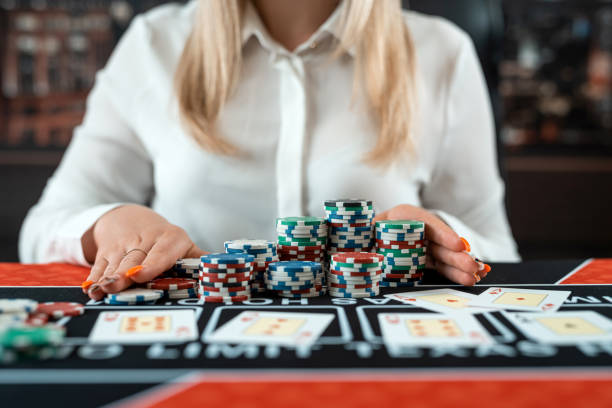
Conversely, for seasoned players, honing their skills becomes crucial in navigating games that allow for strategic play. By continuously improving their understanding of the game and staying informed about evolving strategies, skilled players can maintain a competitive edge. This ongoing education helps them adapt to the changing dynamics of the gambling environment, where luck may fluctuate from day to day but skill remains a consistent factor.
Ultimately, the journey of a gambler can be enriched by understanding the dual forces of luck and skill. Whether playing for fun or profit, embracing both aspects allows for a comprehensive approach that balances excitement with strategy. Gamblers can then enjoy their chosen games, armed with the knowledge that outcomes are influenced by a combination of factors, creating a richer and more engaging experience.
Explore More About Gambling
For those interested in the fascinating world of gambling, various resources provide insights into the interplay of luck and skill across different games. Websites dedicated to gambling education offer articles, tips, and strategies that empower players to make informed decisions. These platforms often feature expert analyses and discussions that unpack complex gaming concepts, making them accessible to all types of players.
Furthermore, online forums and communities allow gamblers to share experiences and strategies, fostering a collaborative environment filled with learning opportunities. Engaging with fellow enthusiasts provides valuable perspectives on how to balance luck and skill effectively. By participating in these communities, players can enhance their understanding of gambling and improve their skills in a supportive setting.
In summary, knowledge is power in the gambling realm. By exploring various resources and engaging with the gambling community, players can deepen their understanding of the intricate relationship between luck and skill. This proactive approach not only enhances the gambling experience but also cultivates a more responsible and educated player base, ultimately benefiting the entire gambling ecosystem.